0%

Private Label Scented Candles are more than decorated wax products for global buyers. They combine fragrance, packaging, safety, branding, and customer experience. A retailer may request amber glass jars, cotton wicks, recyclable boxes, and a signature scent. Each detail affects cost and market acceptance.

Kathy LaVanier, a candle-industry educator and former National Candle Association president, describes the category clearly: “A candle is an emotional purchase as much as a functional one.” That idea matters when developing Private Label Scented Candles for different regions. Buyers must study fragrance preferences, burn performance, labeling expectations, and packaging conditions. A warm vanilla scent may sell well in one market, while citrus or woody notes perform better elsewhere. Small choices matter.

Reliable sourcing requires more than attractive samples. Experienced buyers should request wax specifications, wick details, fragrance documentation, burn-test results, and packaging samples. They should also review factory quality systems and production capacity. Compliance requirements can vary by destination. Professional suppliers help buyers check applicable standards, warnings, and transport requirements before shipment.

The process is rarely perfect. A sample may smell excellent but tunnel during burning. A beautiful label may wrinkle in humid storage. One scent can also lose character after several months. These failures deserve attention, not excuses. Global buyers should test small batches, record results, and improve the product before scaling. Private Label Scented Candles succeed when creative branding meets disciplined manufacturing and honest quality control.
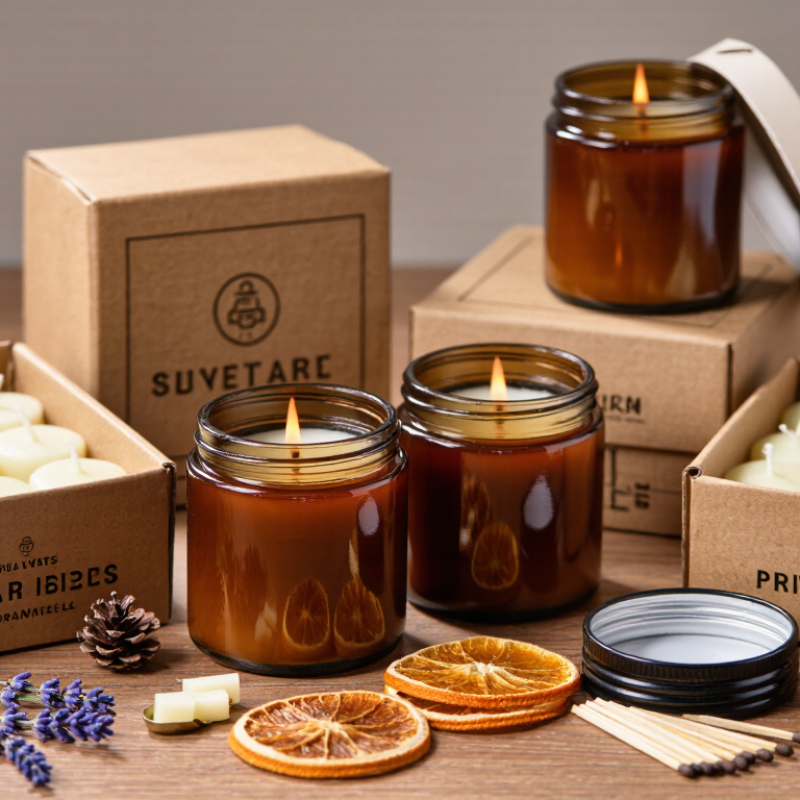
What Is Private Label Scented Candles for Global Buyers?

Private Label Scented Candles: The Global Buyer’s Basic Definition

Private label scented candles are candles manufactured by one supplier and sold under another company’s name. The global buyer usually selects the fragrance, wax blend, vessel, wick, color, label, and packaging. The supplier manages production, testing, and packing. This is different from buying an existing product for resale. Here, the buyer controls the market identity, even when the factory remains invisible.

The wider candle market shows why this model attracts importers and retailers. Fortune Business Insights valued the global candle market at about USD 13.33 billion in 2024. It projects the market to reach approximately USD 21.77 billion by 2032. The National Candle Association also reports that nine in ten candle users use candles to make a room feel comfortable or cozy. That emotional use supports demand for recognizable scents, gift-ready packaging, and seasonal collections.

For global buyers, the definition must include quality responsibility. A private label project should specify fragrance concentration, wax type, burn duration, vessel safety, carton strength, and product labeling. Buyers should request safety data sheets, burn-test records, material declarations, and batch-traceability documents. Requirements differ between importing countries. Small details matter.

A neat specification is not always enough. Fragrance performance can change after ocean transport, especially in heat. A wick may look correct but burn poorly in another vessel. Experienced buyers test samples in realistic rooms before placing larger orders. The process is commercial, but it is also practical and imperfect.

Wax, Fragrance, and Wick Specifications: Typical 6–10% Fragrance Loads

Private label scented candles give global buyers a controlled way to build a distinct home-fragrance range. The core specification starts with wax, fragrance, and wick, not packaging alone. Soy, paraffin, and blended waxes behave differently during pouring, cooling, and burning. Buyers should request the wax type, melting range, container diameter, and recommended pour temperature. Small changes matter.

Fragrance load usually falls between 6% and 10% of total wax weight. This percentage must be defined clearly. Some suppliers calculate it against wax only, while others use the finished batch weight. That difference can distort costing and performance. A 200-gram wax fill at 8% requires 16 grams of fragrance. More fragrance does not always create a stronger candle. It can cause sweating, soot, weak structure, or an unstable flame. The wick must match vessel width, wax density, dye level, and fragrance load. Testing should include cold throw, hot throw, melt pool, flame height, and final burn time. Record results from several samples.

Reliable sourcing includes a written formula, batch records, fragrance documentation, and safety information for the finished candle. Packaging claims should reflect tested results, not hopeful estimates. A scent may smell rich in a small room but disappear in a large retail space. That gap deserves attention. In practice, 7% may outperform 10% with a better wick. Yet one test is never enough. Humidity, transport temperatures, and production scale can change the outcome. Buyers should approve a pilot batch before placing larger orders.

What Is Private Label Scented Candles for Global Buyers?

Wax, fragrance, and wick specifications: typical fragrance loads for common candle wax systems.

Typical fragrance loads are shown as practical starting ranges by wax type. A 6–10% load is commonly evaluated for private-label scented candles, but the final specification depends on the wax blend, fragrance oil, vessel diameter, cure time, and wick selection. Wick size should be validated through burn testing rather than selected from fragrance load alone.

Private Label Development: From MOQ Planning to 4–8 Week Sampling

What Is Private Label Scented Candles for Global Buyers?

Private Label Development: From MOQ Planning to 4–8 Week Sampling

Private label scented candles let global buyers shape fragrance, vessel design, packaging, and product positioning. A practical development plan starts with demand, not decoration. Estimate your first sales cycle, storage space, and acceptable inventory risk before setting the MOQ. A low MOQ may increase unit cost, while a high MOQ can trap cash in slow-moving scents.

Experienced suppliers usually confirm wax type, jar dimensions, wick size, fragrance direction, label artwork, and carton requirements before sampling. Every detail affects timing. For example, a matte glass vessel may need different decoration preparation than a clear jar. Fragrance availability can also change the schedule. Keep backup options ready.

Sampling commonly takes four to eight weeks. The shorter timeline usually fits existing vessels and standard packaging. Custom molds, special finishes, or several fragrance revisions may require longer. A reliable process includes a scent brief, digital artwork review, first sample, burn testing, feedback, and final approval. I have seen buyers approve a beautiful cold scent too quickly; its hot throw later felt weak. That mistake is expensive.

MOQ planning should include samples, testing units, production loss, and replacement stock. Ask for clear sample charges, revision limits, lead times, packaging specifications, and quality checkpoints. Request photos and test records, but review physical samples yourself. Details can look perfect on a screen. They often do not feel perfect in hand.

What Is Private Label Scented Candles for Global Buyers? - Private Label Development: From MOQ Planning to 4–8 Week Sampling

Development Dimension Typical Planning Range What It Covers Buyer Decision Point Key Timing or Cost Driver
Product concept 1–3 business days Target market, candle format, vessel style, fragrance direction, burn-time goal, packaging level, and target retail position. Confirm the product brief before requesting samples. Clear specifications reduce revisions and sample delays.
Candle format selection Common formats: jar, tin, tumbler, pillar, or tealight Container material, wax type, wick structure, fill weight, lid option, and intended use. Choose the format that matches shipping, shelf presentation, and expected burn performance. Container dimensions affect wick selection, wax volume, carton size, and freight efficiency.
Minimum order quantity planning Often 500–3,000 units per SKU Order volume for one fragrance, size, color, vessel, and packaging configuration. Balance unit economics against inventory risk and the number of launch SKUs. Custom vessels, printed packaging, and special components commonly require higher commitments.
Fragrance selection 2–6 initial fragrance directions Fragrance family, scent strength, regional preferences, allergen documentation, and application suitability. Approve a focused fragrance shortlist rather than sampling too many options at once. Fragrance availability, documentation, and compatibility with the selected wax can affect lead time.
Wax and wick testing 2–4 test rounds Wax behavior, wick size, melt-pool development, flame stability, soot tendency, and scent throw. Approve the formula only after representative burn testing. Vessel diameter, wax composition, fragrance load, and wick material influence performance.
First sample preparation 1–2 weeks Initial candle samples using the proposed fragrance, vessel, wax, wick, label, and basic packaging direction. Review appearance, scent profile, label layout, component fit, and sample burn behavior. Existing components are usually faster than newly tooled or fully customized components.
Sample revisions 1–3 weeks per revision cycle Adjustments to fragrance intensity, wick selection, wax finish, color, fill level, label artwork, or packaging. Consolidate feedback into one approval document for each revision cycle. Separate feedback from multiple stakeholders can extend the sampling schedule.
Overall sampling window 4–8 weeks Concept confirmation, component checks, fragrance matching, burn testing, sample production, and revisions. Set the launch calendar only after allowing time for at least one practical revision. New molds, custom glass, international sample shipping, and delayed artwork approval can extend the window.
Packaging development 1–3 weeks after artwork readiness Label dimensions, carton structure, inserts, warning text, barcode placement, and export marks. Approve print-ready artwork and packaging specifications before mass production. Packaging must fit the candle securely and comply with destination-market labeling requirements.
Quality specifications Defined before mass production Fill weight tolerance, fragrance identification, vessel condition, label position, wick centering, appearance, and carton inspection. Convert subjective preferences into measurable acceptance criteria. Clear standards reduce disputes and make pre-shipment inspection more consistent.
Mass-production planning Commonly 30–60 days after approval Material purchasing, component production, wax filling, curing, labeling, packing, inspection, and dispatch preparation. Reserve production capacity only after the final sample and artwork are approved. Seasonal demand, component availability, order size, and packaging complexity affect the schedule.
Shipping preparation Varies by destination and transport mode Master-carton configuration, pallet planning, export documents, product information, and shipment booking. Confirm carton dimensions and shipping marks before the goods are packed. Freight cost depends on carton volume, gross weight, destination, service level, and seasonality.
Reorder planning Start review 8–12 weeks before expected stockout Sales velocity, safety stock, remaining packaging inventory, seasonal demand, and production capacity. Use the first order to establish realistic replenishment quantities and timing. Reorders are faster when the formula, components, artwork, and specifications remain unchanged.

Planning note: The ranges shown are general private-label development benchmarks. Actual MOQ, sampling time, production lead time, testing requirements, and shipping schedules vary by product specification, destination market, order volume, and component availability.

Global Candle Safety: ASTM Standards, IFRA Limits, and Label Rules

What Is Private Label Scented Candles for Global Buyers?

Private-label scented candles need more than attractive jars and a strong fragrance. Safety documentation must travel with every shipment. NFPA research recorded about 7,400 home candle fires annually in the United States from 2014 to 2018, causing 90 deaths and 680 injuries. This makes testing practical, not decorative.

ASTM F2417 addresses candle fire safety, including flame height, secondary ignition, and end-of-use behavior. ASTM F2058 covers warning labels, such as keeping candles away from flammable materials and children. These standards may be voluntary in some markets, yet retailers and insurers often expect evidence of compliance. A buyer should request burn-test records, wick specifications, glass compatibility data, and batch traceability. Small details matter. A blackened jar rim can signal an unstable wick or excessive fragrance loading.

IFRA Standards set maximum fragrance concentrations by product category. The limit applies to the finished candle, not simply the fragrance oil. A supplier should provide a current IFRA certificate, Safety Data Sheet, and allergen information for each scent. European shipments may also require CLP hazard labeling, appropriate pictograms, ingredient disclosures, and a UFI when the finished mixture is classified as hazardous. Other markets may require different language and warning formats.

A perfect global label does not exist. That is the uncomfortable part. Packaging designed for one country can fail in another. Global buyers should review artwork with a qualified compliance professional before production, then repeat testing after changing wax, wick, vessel, color, or fragrance load.

Sources: NFPA Home Candle Fires Report; ASTM F2417 and F2058; IFRA Standards, 51st Amendment.

Quality and Cost Evaluation: Burn Tests, 1/4-Inch Wick Trimming, and Margins

Private label scented candles can look simple, but global buyers must evaluate performance beyond appearance. A reliable review starts with documented burn tests from several production samples. Trim the wick to 1/4 inch before every test. Then burn the candle for two to four hours on a heat-resistant surface.

Record flame height, melt-pool width, soot, smoke, and container temperature. Check whether the wax reaches the edges evenly. Note the scent before lighting and during burning. A strong cold scent can disappear when heated. That result is disappointing, but it is useful evidence. Test different batches, not only one approved sample. Fragrance perception also varies between reviewers, so written records and repeated checks matter.

Cost evaluation should include wax, fragrance, vessel, wick, lid, packaging, testing, tooling, freight, storage, and defective units. Calculate margin from the true landed cost, not the factory quotation alone. For example, a lower unit price may require a larger minimum order and create slow-moving stock. Build a margin model with realistic sales prices and replacement allowances. Buyers should also confirm safety documentation and labeling requirements for each destination market. My own review process still has weak points: shipping damage is difficult to predict, and early demand estimates are often optimistic. A small pilot order can expose these problems before a full launch.

FAQS

What fragrance load is typical for scented candles?

A typical fragrance load ranges from 6% to 10% of wax weight. For 200 grams of wax, 8% equals 16 grams of fragrance. Check the supplier’s calculation method carefully. Small differences distort costs.

Does more fragrance always create a stronger candle?

No. Excess fragrance may cause sweating, soot, weak wax, or an unstable flame. A 7% load can outperform 10% with a better wick. Testing matters more than guessing.

Which wax details should buyers request?

Request the wax type, melting range, container diameter, and recommended pouring temperature. Soy, paraffin, and blended waxes cool and burn differently. Small changes can affect the final surface.

How should the wick be selected?

Match the wick to vessel width, wax density, dye level, and fragrance load. A suitable wick supports an even melt pool and steady flame. One wick may fail.

How should a candle burn test be performed?

Trim the wick to 1/4 inch before every test. Burn the candle for two to four hours on a heat-resistant surface. Record flame height, melt-pool width, soot, smoke, and container temperature.

What performance details should testing include?

Test cold scent, hot scent, melt-pool coverage, flame behavior, and final burn time. Check whether wax reaches the container edges evenly. A pleasant unlit scent may disappear when heated.

Why should buyers test several production samples?

Different batches can behave differently during burning. Humidity, transport temperatures, and production scale may change performance. Reviewer preferences also vary. Written records reduce confusion.

What costs should be included in the margin calculation?

Include wax, fragrance, vessel, wick, lid, packaging, testing, tooling, freight, storage, and defective units. Calculate from true landed cost, not the quotation alone. A low unit price may create excess stock.

Why is a pilot batch useful before a larger order?

A pilot batch can reveal weak scent, shipping damage, labeling gaps, or slow demand. Approve tested results before committing to larger production. My demand estimates can still be too optimistic.

Conclusion

Private Label Scented Candles are customized candle products developed for global buyers who want control over fragrance, materials, packaging, and market positioning. Buyers typically review wax type, fragrance composition, vessel specifications, and wick performance, with fragrance loads often ranging from 6% to 10% depending on the formula and testing results. A successful project begins with clear MOQ planning, target pricing, packaging requirements, and production expectations. Sampling commonly takes about 4–8 weeks, allowing buyers to evaluate appearance, scent strength, and burning behavior before approval.

Global candle quality and safety require careful attention to applicable ASTM standards, IFRA fragrance limits, warning labels, and destination-market packaging rules. Buyers should request documented specifications and conduct practical burn tests, including monitoring melt pools, soot, flame height, and wick stability. Trimming the wick to approximately 1/4 inch before each use can support more consistent performance. Comparing material costs, testing expenses, packaging, shipping, and expected margins helps buyers select a reliable product that balances quality, safety, and commercial value.

Amelia

Amelia

Amelia is a dedicated professional marketer with a strong understanding of product strategy, customer needs, and digital communication. As a regular contributor to our company website, she creates informative and practical blog articles that help readers better understand our solutions, industry......